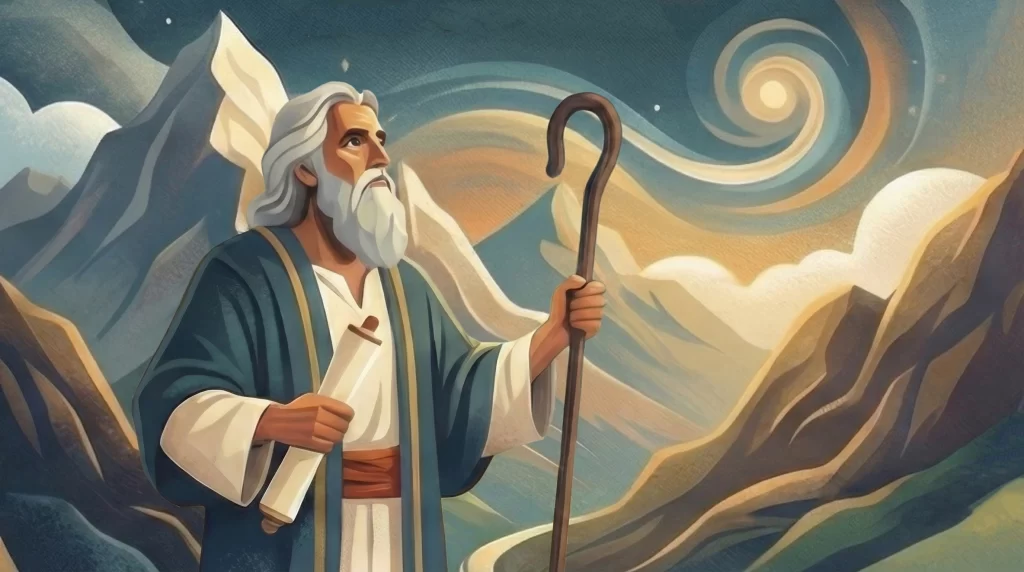
In this sermon, we unwrap the “gift of worship” by examining Mary’s famous hymn of praise, the Magnificat, found in Luke 1:46–55. Unlike the empty “lip service” condemned by the prophet Isaiah, Mary demonstrates that true worship is an overflow of joy from a humble heart that is saturated with the Word of God. The sermon explores the radical nature of God’s kingdom, where the proud and mighty are brought down while the hungry and lowly are lifted up. Ultimately, we learn that to “magnify” the Lord, we must view Him through the telescope of Scripture and approach Him not with a performance, but with the submissive heart of a bondslave.
Transcript
Well, if you would turn with me to the Gospel of Luke, and we’re going to look at well, actually, we’ve had a little theme of opening presence for the past few weeks, and I don’t want to break that this Sunday. So, what we’re going to look at this Sunday is the means of grace that God has given. Actually, it’s far more than that, but the gift of worship, the ability for us to worship God. God as he is, the privilege it is for us to worship God. And I want us to give some thought to what it means to worship God. As we unwrap that present this morning, I want us to focus on what true worship is like and think about the necessity of it. I mean, it is crucial that we do learn to worship. God created mankind for the purpose of worshiping him to give glory to him. The chief purpose of mankind is to give glory to God and to enjoy God forever and ever. And so we need to realize how crucially important it is to do what we came to do this morning to gather together to worship our Lord and Savior Jesus Christ. To gather together to worship God and so that’s what we seek to do and for the past message that I’m going to look at is we find in the Gospel of Luke and beginning in verse 46 I’m chapter 1 verse 46.
This is the beautiful song that Mary sang, the words of praise to God. That is that that came out with such a beautiful came out so beautifully in her as her soul reflected on the words of God that she had memorized and the beautiful poet Hebrew poetry that she grew up with. That’s exactly what this song is. It’s a beautiful song. It’s called for centuries it’s been called the Magnificat. I’ll tell you why in just a moment. But it is a beautiful beautiful song. I’m going to read this beginning in verse 46 and it goes through 55. And so this is God’s holy inherent word.
“And Mary said, ‘My soul exalts the Lord, and my spirit has rejoiced in God, my Savior, for he has regard for the humble state of his bondslave. For behold, from this time on all generations will count me blessed. For the mighty one has done great things for me, and holy is his name, and his mercy is upon generation after generation toward those who fear him. He has done mighty deeds with his arm. He scattered those who are proud in the thoughts of their heart. He has brought down rulers from their thrones, and he’s exalted those who were humble. He’s filled the hungry with good things and sent away the rich empty-handed. He’s given help to Israel, his servant. In remembrance of his mercy, he spoke to our fathers.”
This is this beautiful hymn of Mary’s that Mary sang when she met with her relative Elizabeth. Let’s look to God and ask his blessing on his word this morning.
Opening Prayer
Father, we thank you for these words of praise from Mary and we recognize Lord that she has a great deal to teach us. We can learn so much from these words that we’ve sung this morning that we have just read the song that Mary sang. We ask Father for your special grace to open this passage to us. We need the blessing of your spirit to really understand this passage to appreciate it and to use it as a model of our own worship to look to Mary’s example and to learn from her. We ask this, Father, that you bless us in this way. Help us today. We pray in Christ’s name. Amen.
A Heart Saturated with Scripture
When people think about worship today, they often just think of it as some musical style, we’ve almost lost touch of what worship really is. And that’s why I thought it might be very helpful for us to come to a passage like this one where we see an example of it being completed with such beauty and with such power and with such authenticity. That’s exactly what we find in this passage this morning. It is Mary was a very young lady. She was probably a teenager when she wrote these words. It is we don’t know exactly how old she was, but that’s very likely. And she was a young lady who was saturated with the word of God. If nothing else from this passage. You can look at this passage and see how much of the Old Testament was in Mary’s heart. It’s really amazing as you think about all the passages. First of all you have Hannah’s psalm of praise which this passage reflects that there’s a lot of parallelism between Hannah’s song of praise when that when Samuel was born and Hannah praises God for the birth of Samuel. A great deal of that passage is reflected in Mary’s song. But not just that passage. I mean, there’s quotes from the book of Genesis. There’s quotes from the prophets. This is a lady, a young lady who had stored a great deal of God’s word in her heart. She would put us to shame, most of us to shame for for what she knows, what she knew, even as a child, even as growing up as a child. And as she reached adulthood, she was saturated with God’s word.
One of the foundations for worship is that very thing. You have to know who God is before you can worship God. If you don’t know who God is, there’s no way that you can say think anything true about him or praise him in any way that that means anything. If you don’t know who he is, you can’t worship him. Mary is worshiping God that she has come to know and come to know in an extraordinary way as he’s reached down to her.
A Radical Message
When we go back and look at the context of this you know of this passage and you know before as I do that I mean when I read through this a moment ago I don’t know if just reading through it as we read through it we really think about how staggering this passage is when you start start thinking about it. She teaches us more about worship in this passage than most seminary professors would do in a session. And these few words she’s focusing on God in response to God is a song of perfect praise to God. And the message that she teaches here is pretty radical. There’s a radical political message in this passage. It’s actually a radical spiritual message, but it includes that, too. She’s talking about the God who raises people to power, who takes down, especially those takes down powerful people. And she’s looking to the one true great king whose kingdom will endure forever and whose the one pictured in Daniel’s in the book of Daniel, the great rock that smashes all the other kingdoms, the kingdom that rises up that reigns forever and ever. So there’s a political message here, but there’s a spiritual message here that’s even greater. It’s not just kings and political leaders that God brings down. He brings down every prideful heart. So that’s part of this message. It’s pretty radical and as I mentioned, it has these deep roots in the Old Testament. And overall, I mean, the most probably one of the most remarkable things about this passage is the exposure of Mary’s heart herself that just the incredible humility that she has in expressing her need of God’s mercy and just the place that she has before God and the way she sees it. So those are some of the things that we want to think about.
Faith vs. Doubt
Now the context when this takes place Mary has received the message of the angel Gabriel. The angel Gabriel showed up appears before Mary and tells You know, God has singled you out and you’re going to have a child and you’re going to have a child even though you’ve not known a man. God’s going to create a child in your womb. And Mary, you know, she has questions to understand, but her response from the beginning, from the very beginning as a response of faith and trust. That’s one of the things that marks her as different from a lot of if you want to see a contrast, I mean, think about Zachariah’s response, you know, when the angel Gabriel appears to Zachariah and tells him, you know, you’re you know, Zechariah and his wife Elizabeth had been praying for a child probably for decades and had grown old and given up hope and they knew that they would never have a child. And so, The angel appears to Zachariah and says, “You’re going to have a son and you’re going to call his name John” and he says, “No way.” That’s basically what he says. That’s that can’t be. I’m an old man. We’re old people. We can’t have a child. That’s the tone that Zechariah had. What happened to him? The angel said, “You’re not going to be able to speak until it happens.” When they named him John, which completed that prophecy. Then Zachariah gave his song of praise.
This is before this is when the angel gives Mary this message. She rushes off to visit her Elizabeth. She goes out to the Judean hillside where Mary where Elizabeth lives and she comes to meet her. Elizabeth is pregnant with John, six months pregnant. And when she meets it’s Mary you know it’s an extraordinary beautiful passage Mary’s visit to Elizabeth. And look verse 42 you know Elizabeth was filled with the Holy Spirit verse 42 and she cried out with a loud voice and said blessed are you among women and blessed is the fruit of your womb and how has it happened to me that the mother of my Lord would come to me. Isn’t that an incredible passage? As far as I know, as far as I know, Elizabeth was the first person in the New Testament to address Christ, the Lord Jesus, as her Lord. She’s the first person to acknowledge Jesus Christ as Lord in the New Testament. So that’s kind of an interesting thing to think about.
A Heart of Submission
But even before that, you had this response of faith of Mary. I mean Mary hears the the angel’s message. She asks how can this come about because she needs she wants to know. It’s not the same kind of question that Zacharias asked because his was a question of doubt. Hers was merely a question to understand. She wants to understand and the angel gives the answer. He says God can do anything and that’s sufficient for Mary. And so what does Mary say immediately? Mary says, “Behold the maid servant of the Lord. May it be according to your word. Let it be.” If that’s what God wants, let that be. And so, that’s exactly what God does. God chose Mary because she had that humble, submissive spirit. You want to know what it takes to be a worshiper of God? It takes that type of humility. where we come to God with that submissive humility recognizing our need for him and our need for his grace.
So as soon as she visits Mary Elizabeth and as soon as Elizabeth greets her tells her blessed is she who believed that there would be a fulfillment of what had been spoken to her by the Lord. By the way that confirms what I just said about Mary’s faith from the beginning. Blessed is she who believed that there would be a fulfillment of what had been spoken to her by the Lord. Maybe maybe she said that because of Zachariah in the contrast. I don’t know. Her husband, you know, wasn’t didn’t receive it quite the same way. But Mary did. Mary had a heart of faith. It was it’s really one of the things I think is true of us people of evangelical Protestants who people who recognize the problems with Catholicism and worship of Mary and all those one of the things that dangers that we face is that we don’t appreciate Mary the way we should. You read this passage, you think about this young lady, her knowledge of the word of God, her incredible faith in Christ, her submissive spirit, her humility, it should cause you to love her. you should honor her. You should do, you know, what this passage says. Recognized how blessed this young lady was. Truly truly blessed. And I think that’s a right response to Mary.
Worship from the Soul
She says, “My soul exalts the Lord and my spirit has rejoiced in God my Savior.” My soul exalts the Lord and my spirit my spirit rejoiced in God my savior. Where does worship come from? Well, it comes from a humble heart. It comes from a heart that is submissive to God. Starts deep inside, a heart that knows that it needs a savior. It starts deep inside a person who is not out to magnify their own name and or or person. Part of the beauty of the passage is this passage is this it’s the whole song is put in Hebrew poetry. That’s the style that’s the flow and that you have these beautiful parallelisms like the first one my soul exalts the Lord. My spirit has rejoiced in God my savior. The one one you have one line. The second line reinforces the truth of the first line says it in a little different way to to expand the truth and and the understanding. And what she is saying is you know my heart is bursting forth with joy and praise to God. It’s coming from my inner person, my soul.
You know that that is so different from the way a lot of people think about worship or our practice. I’m afraid it’s different from all of us at one time or another in our practice. Now, it’s so easy to come to church because it’s our routine or our what people expect us to do or for any kind of a reason, you know, whatever reason. We want to we want to come to church. Some people want to come to church so other people can admire them. That’s really the truth. Unfortunately, there there’s lots of various reasons that we might come to church. It’s so easy. Whatever the reason, if it’s a model, we can come to church on a Sunday morning without any particular motivation at all and we can just go through the things that you do. You do it because you’ve done it so many times before. You sing the hymns, you listen to the sermon, greet a few people and you go home. And when we sing those hymns, we can sing those hymns and those words come out of our mouth and we give them no thought at all. That’s not worship. That’s not worship.
When we do that, when we you go to a service and even if you can go to a service and hear some pretty profound music coming from the stage, which some churches have stages, we don’t. We have a platform in a pull pit. We don’t have a stage we have but you know they something that’s a kind of performance and their heart can be stirred because of that and it never reached God. They’re their heart is not responding to God and what God has done for them. It is merely a response to the emotion of what they’re listening to. That falls short of worship. The book And the prophet Isaiah, God said through that prophet in Isaiah 29, “Behold, this people draw near with their words and honor me with their lips, with their lip service, but they remove their heart from me, and their reverence for me consists of traditions learned by wrote.” It’s just a tradition. They come together. They do it because their family did it. They do it because whatever reason that they did it, but it but their worship isn’t coming from their heart. It’s not a heart’s response. Mary said, “My soul exalts the Lord. My spirits rejoice in God my Savior.”
Magnifying the Lord
My soul magnifies the Lord. My soul magnifies the Lord. It’s from her heart. It’s an overflow of joy from her heart and she’s pouring out to God and it’s exalting It’s magnifying God. That’s why you know the word sometimes this passage is called the Magnificat. And the reason it’s called the Magnificat is because one of the first languages the Bible was translated into from the original languages was the language of the Roman Empire which was Latin. Now Jerome translated the Bible into the Latin language. And this passage in Latin when Mary says, “My soul magnifies the Lord.” The word for magnify comes first. Magnificat is the very first word of the passage. And so the passage became known for hundreds and hundreds of years as the Magnificat. That’s where that comes from.
But when you’re thinking about that word, what does it mean to magnify the Lord? Can you make God bigger than he is? How do you magnify God? Well, of course you can’t. God is God is infinitely amazing and wonderful. He’s infinite and all of his attributes and everything that he is. He’s he’s he’s almighty and all powerful. You can’t make God bigger than he is, but you can point out to people. You can you can remind yourself of how great God is. You can you can look through the telescope of the word of God and see God in all of his greatness. And that’s what it means to magnify God. It’s what it means to worship God. It’s seeing yourself as small a way Mary does and seeing that greatness and the wonder and the majesty of who God is. That’s what it means to magnify God. It’s to call attention to to to to sing the psalm to sing the song of God’s greatness so that other people so that everyone knows how how great how amazing God is. And Jesus quoted that passage from Isaiah. It’s repeated in in the gospels he calls attention to the people of his day and points out that they are worshiping God with their lips but their hearts far from him. And that results in when Isaiah gave it in judgment. And it results in judgment when Jesus mentions it as well. And it’s something that we need to guard our heart from so that we don’t experience judgment as well. I mean the discipline of God at the very least.
It’s we need to recognize that we need to truly worship. And the only way we can truly worship is if we approach God the way Mary did and that our joy comes from the heart. You know, it’s like being so overwhelmed with joy that it spills out. That’s Mary. This is coming from her heart. So, it’s an internal it’s an internal it’s it’s part of the our person on the inside. My it’s the it’s the she she is speaking from her very heart to exalt God and it’s rooted in a recognition of her own spiritual need of God.
God My Savior
She says, “My soul exalts in the Lord. My spirit has rejoiced in God, my savior.” And you know, she’s recognizing that she needs a savior. She’s recognizing that she needs she’s not coming to God because of her own strengths. She’s not coming to to God before him because she’s merited favor with God. She’s coming and receiving the gifts that God has given to her. She recognized her her lowest state and she recognizes that she needs a savior. And so God is that savior. God is her savior. There’s a lot to that. I mean there’s a lot of different ways to think about it. There is the You know, who you look to for your savior is pretty crucial. In Roman in the times of Rome in the first century, it was true throughout the Roman Empire that the emperor, the Roman emperor, the Caesar at this time was called the savior, the soter, the savior. And that was a word that described his power. That’s really what that was about. It it acknowledges they were looking to him as the powerful one who might deliver Rome militarily. And so it was a title of Caesar. It was a title of his authority.
Well, in that regard, Mary is saying that the invisible God of Israel, he’s the one who has all the authority. You see, this is this is a manifesto of the power of God. God is the one who truly rules everything and ultimately Jesus Christ will will be the one who rules over everything in this world and the governments of this world will bow to Jesus Christ. So this is this great God Mary says is my savior. My savior and she is merely a slave. That’s the way she identifies herself. The bond, the bond maiden, the bond servant of the Lord, the bonds slave of the Lord. It’s the feminine word for a slave is what what’s used in the Greek in the New Testament. It’s the word of a of a slave. The lowest of the low. And that was, by the way, her background, she was of she had royal blood in her veins. She was the descendant of David. But she was born in poverty and she growing up in Judea would have been considered nothing in her community. She was the kind of person that many people would despise because of her background.
God looked at her. Other people weren’t were not looking to her. God himself singled Mary out. God himself blessed He raised her up remarkably and blessed her as she says, “Behold, from this time on, all generations will count me blessed.” That’s so true. See, it’s such a What is she singing about? I think it was RC Sproul called this the original Cinderella story. You know, there she is basically in the ashes and God reaches down, touches her, lifts her out of those ashes, makes makes her uniquely special of all women. There’s no woman more blessed than Mary was blessed. God with his infinite power the very same way that he spoke and broke this brought this universe into existence. He brought about he created that baby that was in her womb. And he did that and as a gift as as and as is a remarkable gift to all to us to mankind to all all his people, but singled her out for that role.
Not an easy one. You know, you put yourself in Mary’s place, you know, she knows she’s going to have trouble. She’s going to she’s going to she’s pregnant and she’s not married. In that culture, you know what that meant and she knows what that means. And yet she receives that. Let that be. I’m your maid servant. I’m your slave. Let it be even as you’ve spoken. That’s her heart. What an extraordinary thing. It’s kind of like Job when he gets the news and in a sense it’s kind of like Job when he gets the news of he’s just lost all of his possessions and all of his children have been killed. He gets the news in one day and he bows his heart to God. The Lord gives the Lord’s taken away. Blessed be the name of the Lord. That’s worship. That’s a heart response to God no matter what the circumstances are. That’s what Mary is doing. Mary’s saying, “I don’t understand these circumstances. These are extraordinary, but it is coming as a gift from God, and I receive what God gives. I receive it. And I’m worshiping God. I’m celebrating the greatness of God.”
God looks past the palaces of all the great people of the world. And he looks on this lowly servant Mary. He loves lowly people, people who don’t think too highly of themselves. If you think that you’re somebody, you can’t really worship God. You get so caught up in worshiping yourself. You can’t worship and make the name of God great. You can’t magnify and tell people how great God is and also be pointing out how informed and great you are. No, it’s this Mary’s heart. The heart that says I’m just the bonds slave. I’m the one who is needy and who’s receiving. I’m the one who receives the forgiveness of God and who needs a savior.
The Mighty Arm of God
And the next verse is I’ll just read for his for his regard for the humble state of his bonds slave. For behold, from this time on all generations will count me blessed. For the mighty one has done great things for me, and holy is his name. What’s the great thing that he has done? Well, he has made her the mother of Jesus Christ. He has he has put that baby in her womb but as a miraculous creative work of God and it’s just it is an extraordinary thing within her womb is God in the flesh. It’s an extraordinary amazing thing. So God, the great God looks on her And that shows something about how the how the great God is. I mean the condensation of God coming down to us. The condescension of God coming down to us in such a remarkable merciful way to to to to do what he has done in Jesus Christ to the God manifested in flesh. the great God born and laid in a manger. All of this, it’s incredible to think to think what God gave to us. So, we need to focus on this great God. And by the way, let’s look at the way she describes God. The mighty one has done great things for me and holy is his name. He’s mighty and holy. His mercy is upon generation after generation toward those whose fear fear him. So look at those three things. He is infinitely mighty. He is holy. He is pure in all that he is. And he is merciful generation after generation. He has done mighty deeds with his arm.
He’s the almighty God. Done mighty deeds with his arm. He’s not He doesn’t have an arm that’s withered. He’s got a mighty arm. that that there’s a whole series of passages in the Old Testament that that talk about the mighty arm of God. One of the most interesting is in in the book of numbers in chapter 11 of the book of numbers the children of Israel in the wilderness and God has fed them with mana and as they’ve been they’ve been eating mana in the wilderness and they’ve got sick of it. Now it’s abundant grace that they’re getting from God. God’s giving them food. They’re not starving to death. He’s providing for them in a with a miracle, but they’re not grateful. They said, you know, we had a lot more variety when we were living when we were slaves in Egypt. We could eat leaks and onions and all kinds of things. We had a lot of lot more to our diet than we have now. And so they’re just complaining and whining. And so God says, “I’m going to give you meat. I’m going to give you more meat to eat than you can eat in a month.” And so Moses tells them that. And then Moses questions God about it. He says, “We got hundreds of thousands of people here. You said, I’m going to give them meat so they’ll eat for a whole month.” He said, “Should flocks and herds be slaughtered for them to be sufficient for them? Or should all the fish of the sea be gathered for them to be sufficient for them. How you going to do this, Lord? I mean, look at all these people.” You know what God said? “Has my arm grown short?” His arm doesn’t grow short. He’s saying I can. He’s saying what the angel said. God can do whatever he wants to do. God’s almighty. And so, he does this great thing for for Mary. He gives her this incredible child. And the this mighty, merciful, transcendental is the word I was looking for, I guess. Majestic God who is he’s so holy. He’s beyond anything that we can know. Has reached down to her and showed her this mercy.
The Great Reversal
He brings down. This is the one does mighty deeds with his arms. Scatters those who are proud in their thoughts and in their hearts. He brought down rulers from the thrones and he’s exalted those who were humbled. He’s filled the hungry with good things and sent away the rich empty-handed. He’s given help to Israel, his servant, in remembrance of in remembrance of his mercy. Now, there’s a political aspect to this that I think is seen in we we can’t do this now. We don’t we’re not going to be able to to see the mighty come down. And I mean to try to do to bring that about would lead you to some serious errors. This is what God will do. This is what God will do when he sets up his kingdom. He will bring about a great reckoning in this world. He will, you know, you want to say he’s going to turn the world upside down, but the truth is he’s going to take this upside down world and turn it right side up. He’s going to write the wrongs of this world. And he’s going to do it in the most extraordinary way.
But what I want you to see here is that this is true not just for potentates and leaders. I mean, the truth is you could be a little a teacher of a kindergarten and be a be a tyrant over that grief. I mean, we people tend to be I’ve seen I’ve run across many people I’ve been to the post office before and found out that the the the guy who is who’s having to deal with there is thinks that he’s the the the the emperor of his tiny little kingdom. You don’t have to be have great power to have great arrogance about it. And you can think that you’re, you know, you can have that bootstrap idea or the old phrase that goes up helps spirits go up and sails and I’m going to lift myself up by my bootstraps and you know you I look at look at all that I’ve been doing. I’ve been coming to church for these 40 years. You should be pleased with me, God. Look at what all the ways that I’ve served you by coming to church and doing all these things. So I didn’t run… wanted that. That performance idea is not worship. And God doesn’t like it. He didn’t like that. No. The heart that loves God, that we’ve received grace from God, the heart that recognizes that we’re the slaves. We have nothing. We come to him as needy people, but he responds to us with abundant grace. See, Those are the people who are spiritually hungry.
He’s filled the hungry with good things. He sent away the rich empty-handed. What does that mean? That means that if you think that you’re good with God, you have plenty to offer him. You’re not going to get anything from God. You’re not going to even be seeking him. The person who like Mary recognizes her own little state, the fact that she needs the mercy on them and so grateful when God gets the blessing that he gave us. That’s the person that receives from the blessings of God. It’s not performance. It’s not it’s not, you know, we’re burning something here. It’s exactly the opposite. It’s we’re receiving receiving.
And then in the last part of this, she talks about the The Old Testament promises that God is fulfilled through her. Now he’s he has given help to Israel is so he remembers the remembrance of his mercy. He spoke spoke to Abraham called Abraham out said to Abraham you know I will bless you and I will bless all the nations through you. How has he done that? Through this child that’s in Mary’s town. It’s the fulfillment of those ancient promises. God who promised in the past keeps his word. His trust. We can trust him. Worship is when our hearts respond to the grace we receive and we are filled with the love and joy for God and we express them. We tell others about the greatness of God.
We need to learn to to do that. You don’t have to have a degree. You certainly don’t need a throne or some lofty place to be a worshiper of God. But you do have to have a humble bar that looks to God and seeks his grace. You have to have a heart that fears God, who understands the greatness of God. And you need to contact as those who reverence who he is recognize his holiness and and comfort him with that type of humility. Let’s pray.
Closing Prayer
Father, we thank you for your your great kindness to us, your your abundant mercy that you’ve shown us because Like Mary, you have looked to us in the person of Jesus Christ our savior. You have touched us. We who are nothing before you are of no consequence of those who are older than you. And yet we are precious to you. And just because we have a heart of love and a heart of mercy and you love to raise up those, we ask Father Father, for your the perfection of your grace in us that we may grow in our worship of you. Father, restore the first love that we had for you. Help us to grow in our love for you. And Father, use us. Please let us speak of your greatness and your glory to others. Help us to call attention to new greatness. And Father, As we worship, may we truly worship from the heart as we sing that last hymn that we sing today. May our hearts rise up in true worship to you. Bless us. Amen.